
The Hidden Link Between Autism & ADHD | April 2026
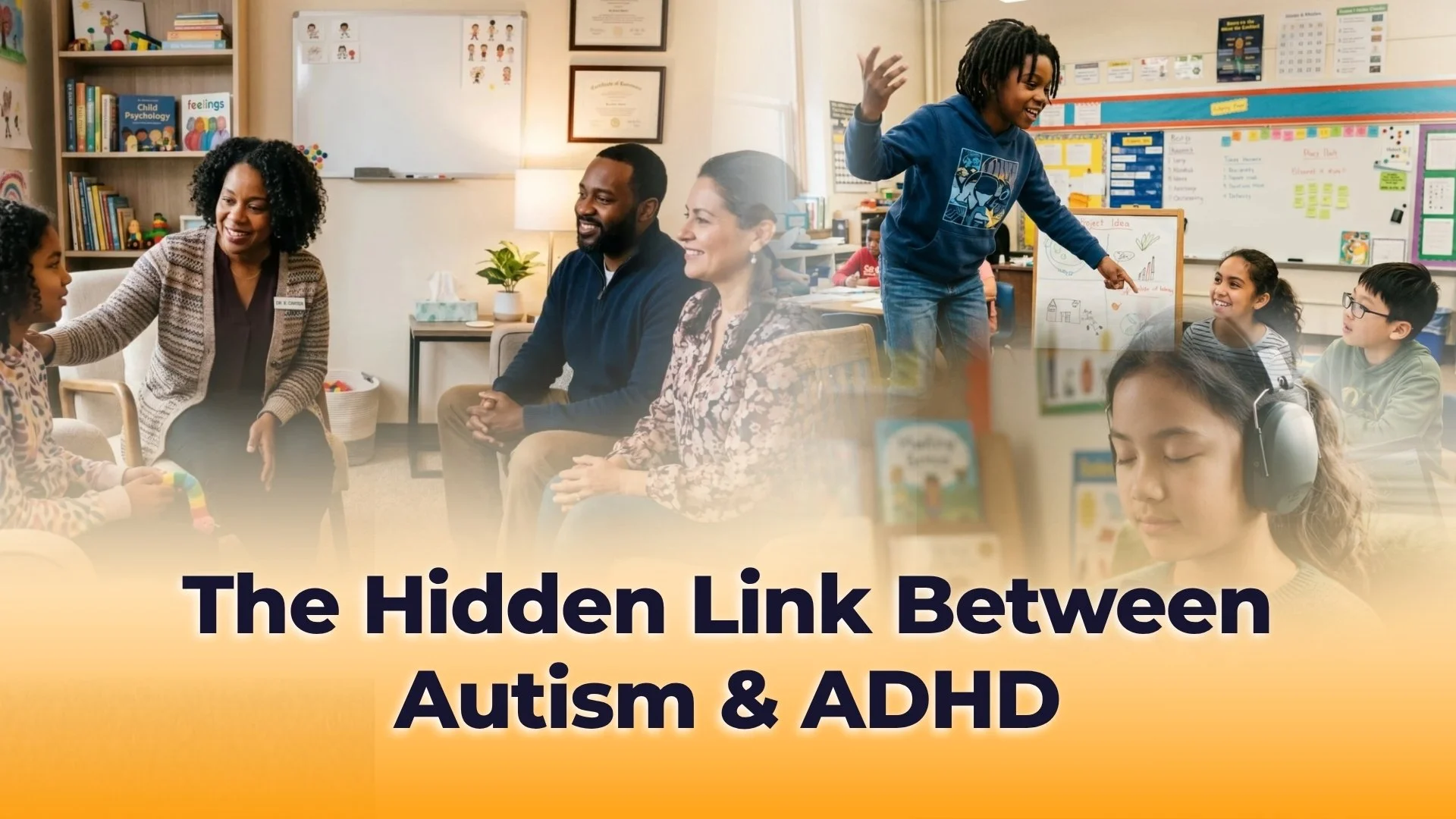
For years, parents have been told their child has ADHD or autism, or “ADHD with autistic traits.” But new research published this month in Molecular Psychiatry shows something different: autism and ADHD may be connected at a biological level in ways that go beyond traditional diagnostic labels.
With a few weeks left in the school year, this research matters now. If your child’s current support plan is built around a label instead of their actual brain, they’re working twice as hard for half the progress.
Equip Your Child With Skills They Will Never Outgrow

Get the Blueprint for Executive Functioning Skills Mastery
Our FREE Executive Functioning Skills Guide covers brain-based strategies to stop the cycle of stress and start building a foundation that will serve your child for years to come.
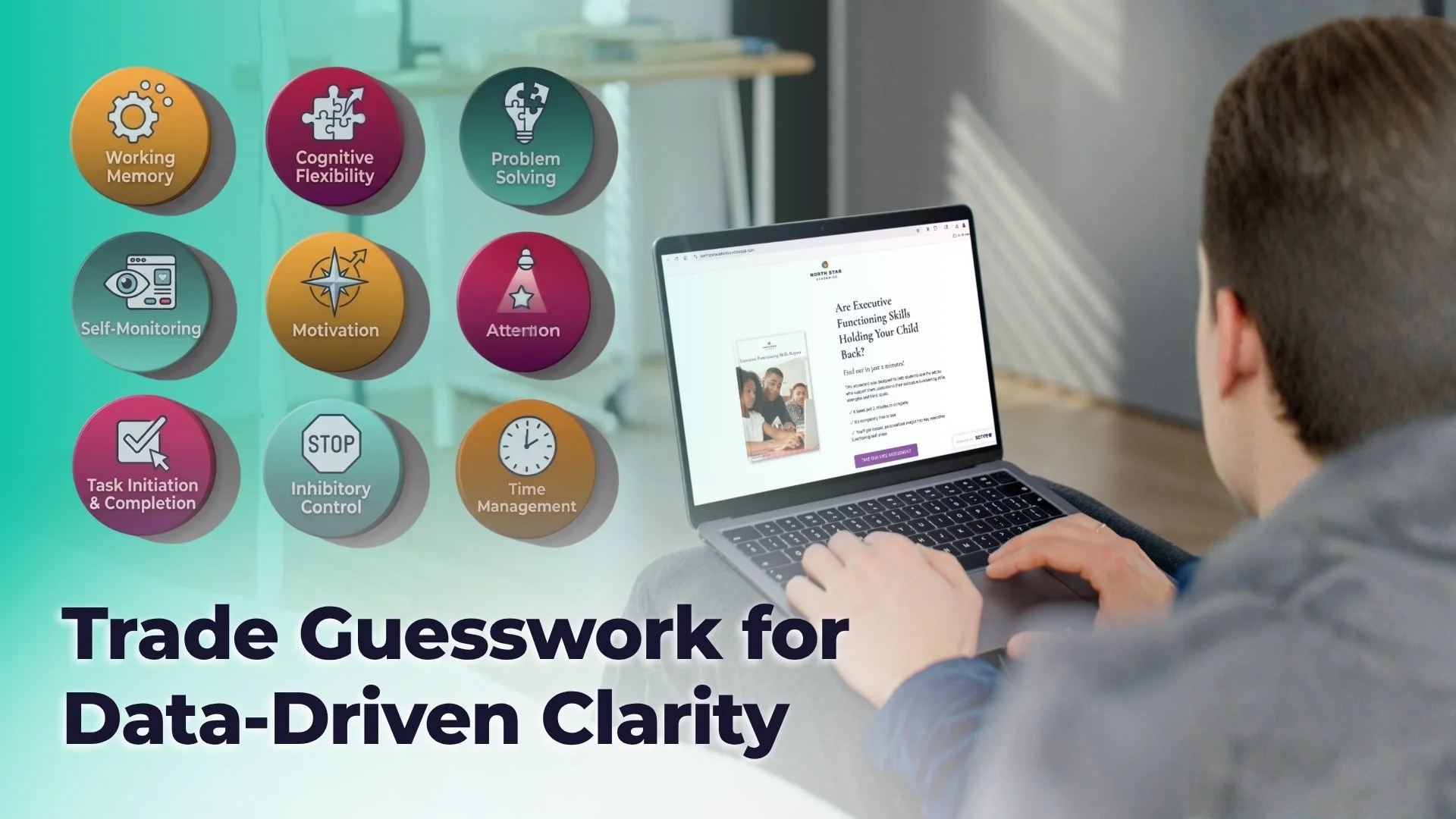
Trade Guesswork for Data-Driven Clarity
Stop guessing which tool will finally stick. This Executive Functioning Skills Assessment provides the data-driven clarity to see exactly where the disconnect lies, turning frustration into a strategic roadmap.
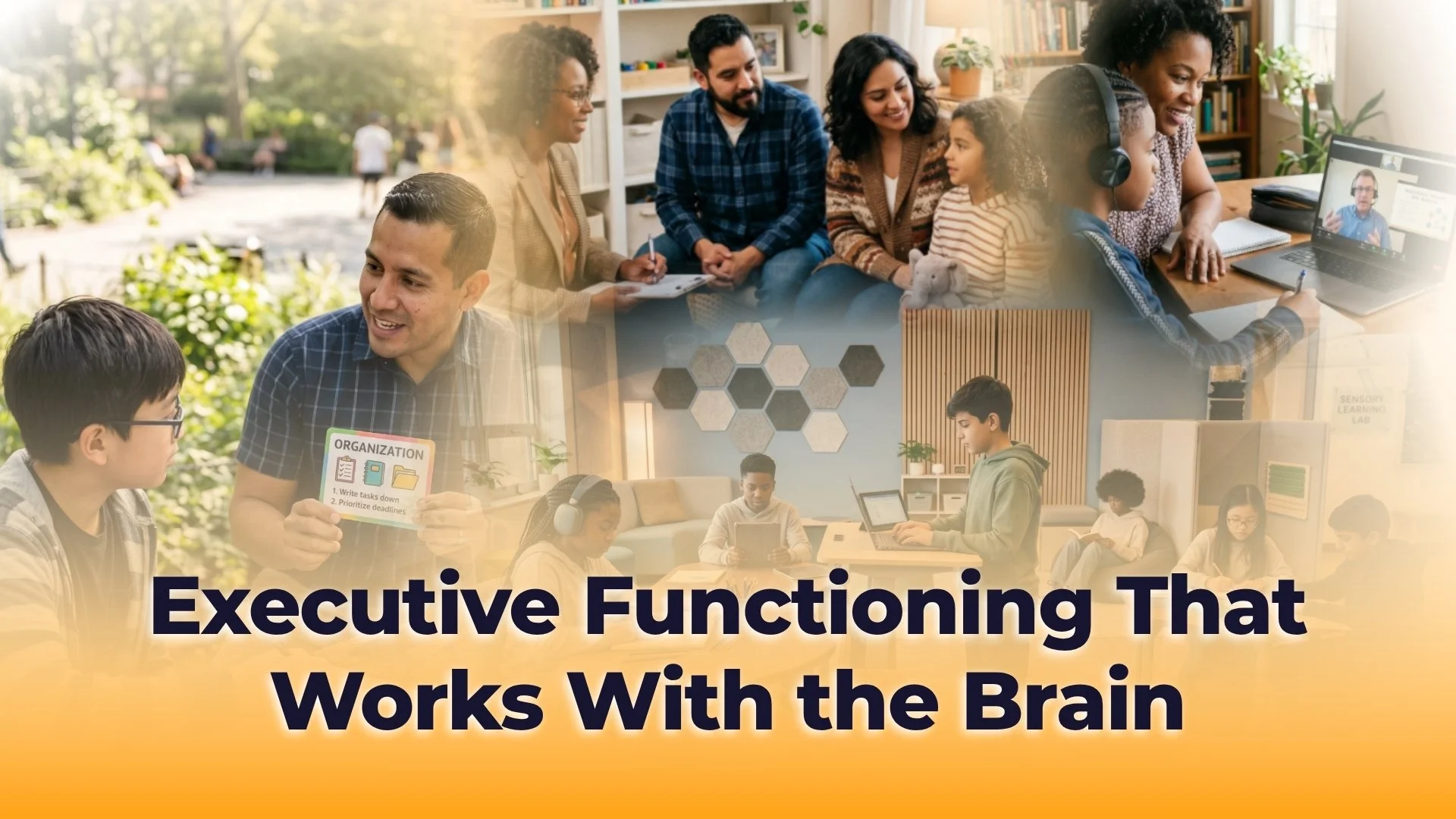
Executive Functioning That Works With the Brain
Our Executive Functioning Coaching replaces "typical" strategies with neuro-inclusive tools for planning, time management, self-regulation, etc.
By matching skill development to your child’s actual brain wiring, we help them finish this school year with confidence and enter the next one fully prepared.
In the Community

Neurodiversity x Co-Regulation at Echo Horizon School
Such a privilege to partner with Echo Horizon School. This is the work we're doing nationally — and it's working because it starts with a different question: not how we manage the behavior, but what this child's nervous system is telling us.
When you shift the lens, the strategies finally make sense. If your school or organization is ready for that conversation, let's talk.
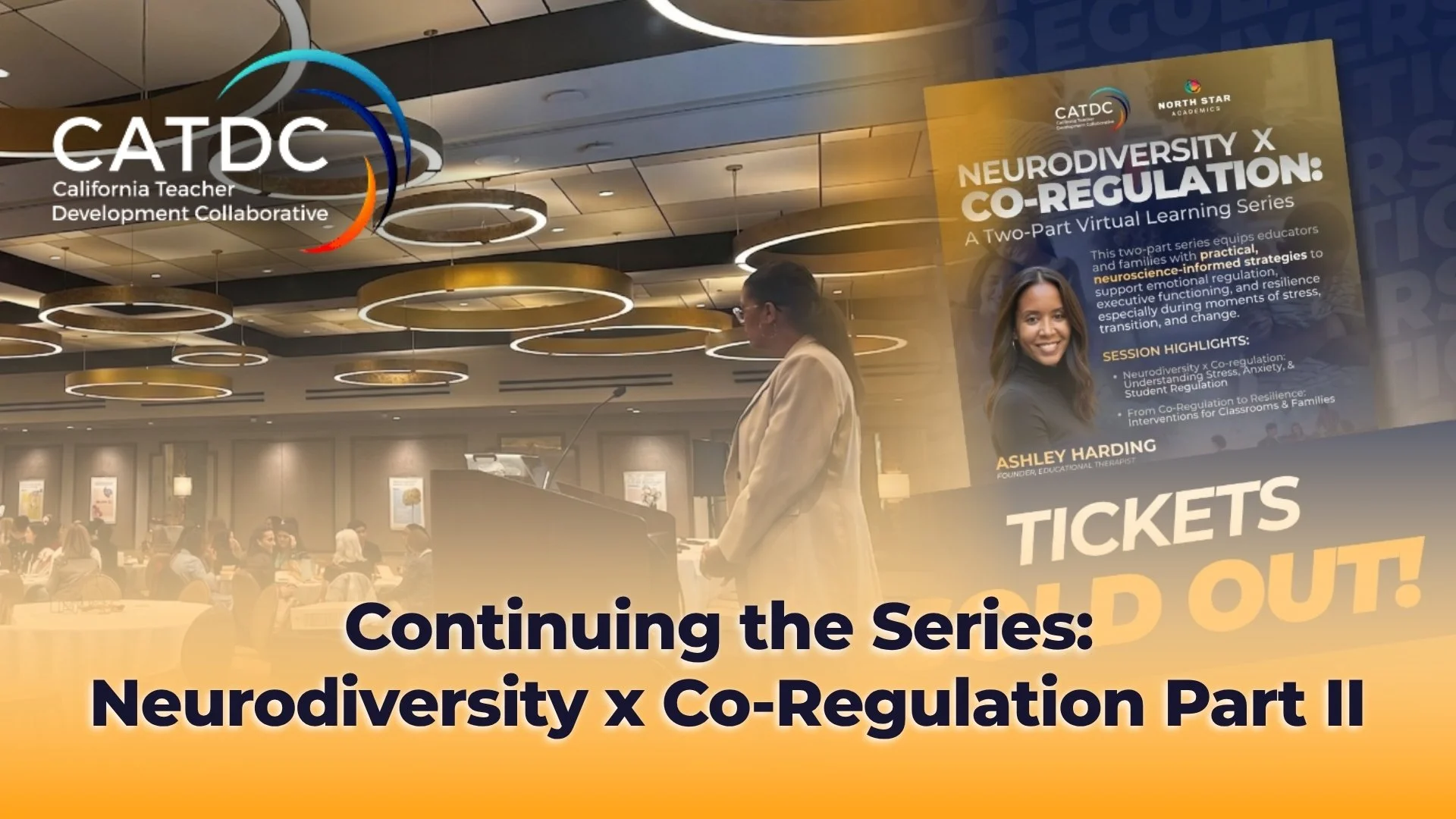
Continuing the Series: Neurodiversity x Co-Regulation Part II
On May 7, 2026, Ashley returns to CATDC for the second conversation in our series—moving beyond theory into the shifts educators need to make. Learn what your classroom environment must become so regulation for neurodivergent students can be possible, not just another demand. This is where we build the foundation for what's ahead.
